

ONLINE THERAPIST FOR ADULTS AND CAREGIVERS ACROSS NEW JERSEY
Melissa Parrish, LPC, ASDCS, CCTP, CGP
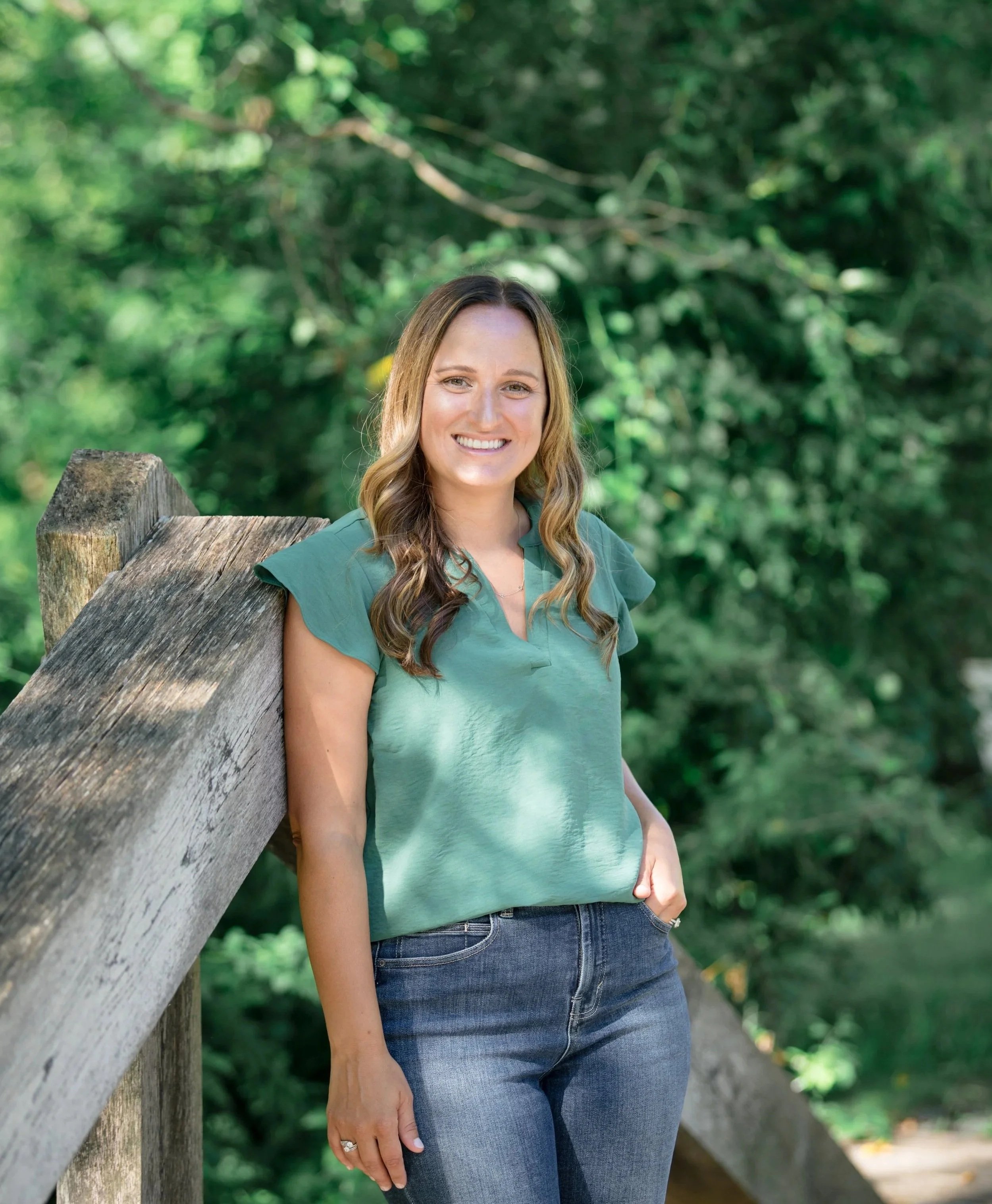
You already know something needs to change. You've probably known for a while.
Maybe it’s the life you imagined before your child’s diagnosis. Before the badge became part of your family’s identity. Before the hospital became a place you knew by heart. Before you became the person everyone else depends on. You keep functioning. You keep showing up. And underneath it, something has been quietly running on fumes for longer than you'd admit out loud.
I'm not going to hand you a script or pretend I have all the answers. I'm going to help you understand what you’re carrying, why it has affected you the way it has, and work alongside you as we figure out what helps life feel more manageable.
The Question That Has Guided My Career
Early in my career, I worked with grieving children and families after the death of a parent or sibling. That work became the foundation of how I understand grief and how I came to understand much of the work I do today.
I watched families hear well-meaning phrases like move on, find the silver lining, or find closure. Most were offered because the people around them didn’t know what else to say. But those words often left grieving people feeling even more alone. Grief does not disappear because enough time has passed. Years later, a scent, a song, a holiday, or an ordinary moment can bring a person’s absence close again. That's not a setback. That's just what grief is.
What compounded the pain was being rushed, judged, or made to feel that their grief was too much, had lasted too long, or was making other people uncomfortable. Over time, some began to question whether their own reactions were acceptable or whether anyone could understand what they were carrying.
I also witnessed what became possible when people were met differently. When they felt deeply seen and heard, when their experiences were understood, and they no longer had to defend the way they were grieving. They could speak honestly about the pain, the love, the anger, the memories, and even the moments of happiness.
There was room for connection, hope, and making sense of how grief would continue to live alongside them.
That's stayed with me in every room I've sat in since.

Why These Specialties Belong Together
For years, I kept asking the same three questions in session after session: What is this person carrying? Where are they not being understood? How does that connect to everything else going on in their life?
The patterns kept repeating across people who, on paper, had nothing in common.
I saw it in neurodivergent adults who'd spent decades masking just to get through a meeting or a family dinner. I saw it in first responder spouses managing a household built around a job that could change everything in one phone call. I saw it in caregivers who couldn't remember the last time someone asked how they were doing.
Different circumstances. The same invisible weight.
That's why my practice grew into grief, trauma, neurodivergence, caregiving, and first responder families instead of staying in one lane. They're not separate specialties I offer. They're the same story of carrying the invisible weight, told a few different ways.
How Therapy With Me Works
I'm not going to tell you how to run your life, your household, or your kid's care team. You already know more about that than I ever will.
What I bring is the outside vantage point — the ability to notice the pattern you're too close to see, and the clinical background to know what to do with it once we see it.
In some sessions, that looks like a direct question that changes how you see something you've been stuck on for months. Other sessions, it looks like a concrete strategy pulled from Cognitive-Behavioral Therapy (CBT) or mindfulness-based work. Sometimes, it looks like sitting in the hard thing with you instead of rushing you past it.
Therapy isn’t about getting it right the first time. We’ll try things, reflect on what works, learn from what doesn’t, and keep adjusting together.
The goal isn’t perfection or pretending life won’t be difficult. It’s understanding yourself in a way that helps you respond with more intention, more balance, and less self-blame.

Training That Backs This Up
Good clinical instinct only gets you so far. The rest comes from deliberately going after the training that matches the work I actually do. My commitment to ongoing learning comes from wanting to better the communities I serve. I continue to pursue continuing education in grief, trauma, and neurodivergence because each has deepened the way I understand the people sitting across from me.
I'm a Licensed Professional Counselor (LPC) and hold additional professional certifications through Evergreen Certifications, including Autism Spectrum Disorder Clinical Specialist (ASDCS), Certified Clinical Trauma Professional (CCTP), and Certified Grief-Informed Professional (CGP).
Each of these certifications required additional coursework and clinical training beyond my general counseling education because the realities of grief, neurodivergence, trauma, caregiving, and first responder life deserve more than a one-size-fits-all approach. The more deeply I understand the experiences you're living, the more thoughtfully I can tailor therapy to you.
My clinical approach draws from CBT, person-centered and humanistic therapy, and mindfulness — used the way each one applies to what you're dealing with, not as a checklist.

Why This Isn't Just a Job to Me
My connection to this work didn't start in a graduate program.
Like many of the people I work with, my own life has included grief, raising neurodivergent children, caregiving, and navigating a life that didn’t unfold the way I once imagined. Those experiences don’t replace my clinical training. They’ve deepened it.
People don’t need to earn understanding. They deserve to be understood.
What You Actually Leave With
Coping skills are the floor, not the ceiling.
What I want for you is different. The ability to look back at what you've been through with more clarity and less self-blame. To stop bracing for the next thing before it's even happened. To make decisions based on who you are, not only on everything you’ve had to adapt to.
When your own experience finally makes sense to you, the decisions get easier.
Not easy. Easier.